
The Importance of Storytelling in Modern Video Games

Every game has a story, from traditional games like Monopoly to the intricate narratives in modern video games. Even playing cards have characters and symbols, each with a backstory that adds depth to the gameplay. And there is a good reason for that.
Imagine stepping into a game world without a story—just stunning visuals and impeccable mechanics, yet it feels incomplete, like watching the scenery pass by without context. A compelling story breathes life into the game, transforming it from a mere collection of pixels and code into an immersive experience. It’s the difference between exploring a beautifully crafted map and embarking on an epic quest with characters you care about.
The Evolution of Narrative in Video Games
Video game narratives have come a long way. Early games like Pac-Man and Tetris had simple, often non-existent plots. The focus was on gameplay mechanics and player skills. However, as technology advanced, so did the scope for storytelling. Games like The Legend of Zelda and Final Fantasy began incorporating more complex plots and character development, setting the stage for today's narrative-rich games.

Modern games like The Last of Us, Red Dead Redemption 2, and The Witcher 3: Wild Hunt showcase the pinnacle of storytelling in gaming. These games weave intricate narratives that rival those found in books and movies, offering deep, emotional experiences that resonate with players long after they’ve put down the controller.
Why Story Matters
Emotional Engagement: A well-crafted story can evoke a range of emotions, from joy and excitement to sadness and anger. This emotional connection keeps players invested in the game and its characters. For example, The Last of Us is renowned for its emotional depth, making players deeply care about Joel and Ellie’s journey. On the contrary, Anthem struggled with emotional engagement due to its disjointed narrative and underdeveloped characters, leaving players disconnected from the story.
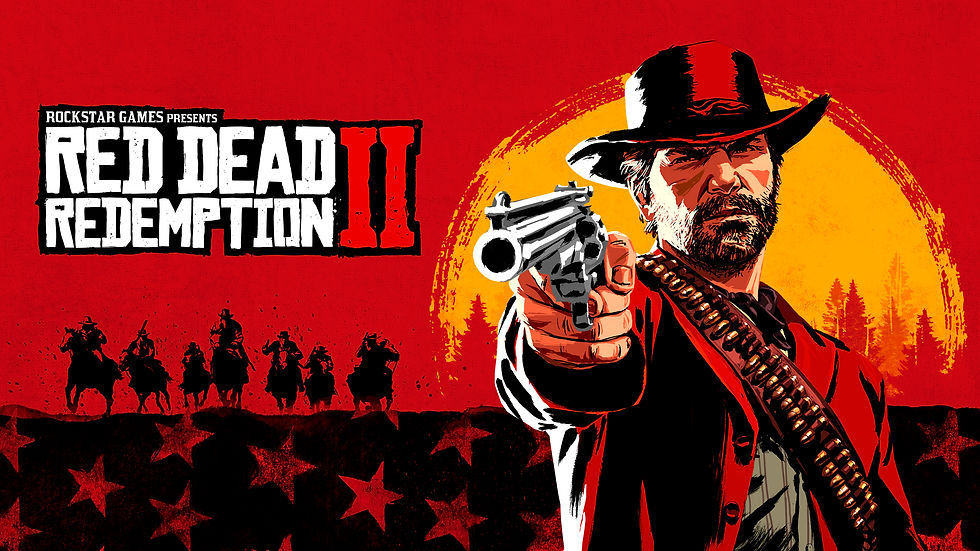
Player Motivation: Stories provide context and motivation for player actions. Knowing the stakes and understanding the characters’ motivations drive players to progress and achieve goals within the game. Red Dead Redemption 2 excels at this by giving players a sense of purpose through Arthur Morgan’s story, making each mission feel meaningful. Conversely, Fallout 76 faced criticism for its lack of a coherent storyline and meaningful character development, resulting in players feeling aimless and less motivated to continue.
3. Immersive Worlds: Storytelling helps create immersive worlds where players can lose themselves. Games like Bioshock and Mass Effect build rich universes with their own lore, cultures, and histories, making the experience more engaging and believable. In Bioshock, the story of Rapture’s rise and fall is intricately tied to the environment, drawing players into its dystopian world. In contrast, Destiny was initially criticized for its fragmented story delivery and lack of narrative depth, which hindered player immersion and engagement with the game world.
Types of Games Where Story is Most Important
Role-Playing Games (RPGs): RPGs rely heavily on storytelling to drive gameplay. Games like The Witcher 3: Wild Hunt and Final Fantasy XV are celebrated for their rich narratives, complex characters, and immersive worlds. The story guides players through quests and character development, making it a crucial element of the RPG experience.
Adventure Games: Adventure games often focus on narrative and exploration. Titles like The Legend of Zelda: Breath of the Wild and Life is Strange thrive on compelling stories that engage players through character-driven plots and emotional depth. The narrative is essential to maintaining player interest and providing a sense of progression.
Action-Adventure Games: Games like Red Dead Redemption 2 and Uncharted 4: A Thief's End blend action and storytelling seamlessly. The narrative context enhances the action, making each mission and combat sequence more meaningful. The story drives the game forward, ensuring players remain invested in the outcome.
Horror Games: Storytelling in horror games creates atmosphere and tension. Games like Silent Hill and Resident Evil use narrative to build suspense and fear, making the horror elements more impactful. A strong story can turn a good horror game into an unforgettable experience.
The Future of Video Game Storytelling
As technology continues to evolve, so too will the potential for storytelling in games. Virtual reality (VR) and augmented reality (AR) offer new dimensions for narrative exploration, allowing players to experience stories in even more immersive ways. The future holds exciting possibilities for interactive storytelling, where player choices can shape the narrative in real time.

Storytelling is an essential element of modern video games. It enhances the gaming experience by providing emotional depth, context, and immersion. As the medium continues to evolve, the role of storytelling will undoubtedly become even more central, offering players ever richer and more compelling experiences. So, the next time you embark on a gaming adventure, take a moment to appreciate the narrative craftsmanship that brings the game to life.

